Wakil
Today we are so glad to be speaking to Megan Rohrer, PhD and DMIN, a social justice influencer known for their advocacy with the homeless and the LGBTQ communities. Dr. Megan received a PhD in transformative studies from the California Institute of Integral Studies for their dissertation, Trans Theology Without Apology. Megan received a doctorate of ministry from the Pacific School of Religion studying the radical organizing of the 60s and 70s at Glide Memorial Church, where he currently serves as a senior church communication specialist.
Annalouiza
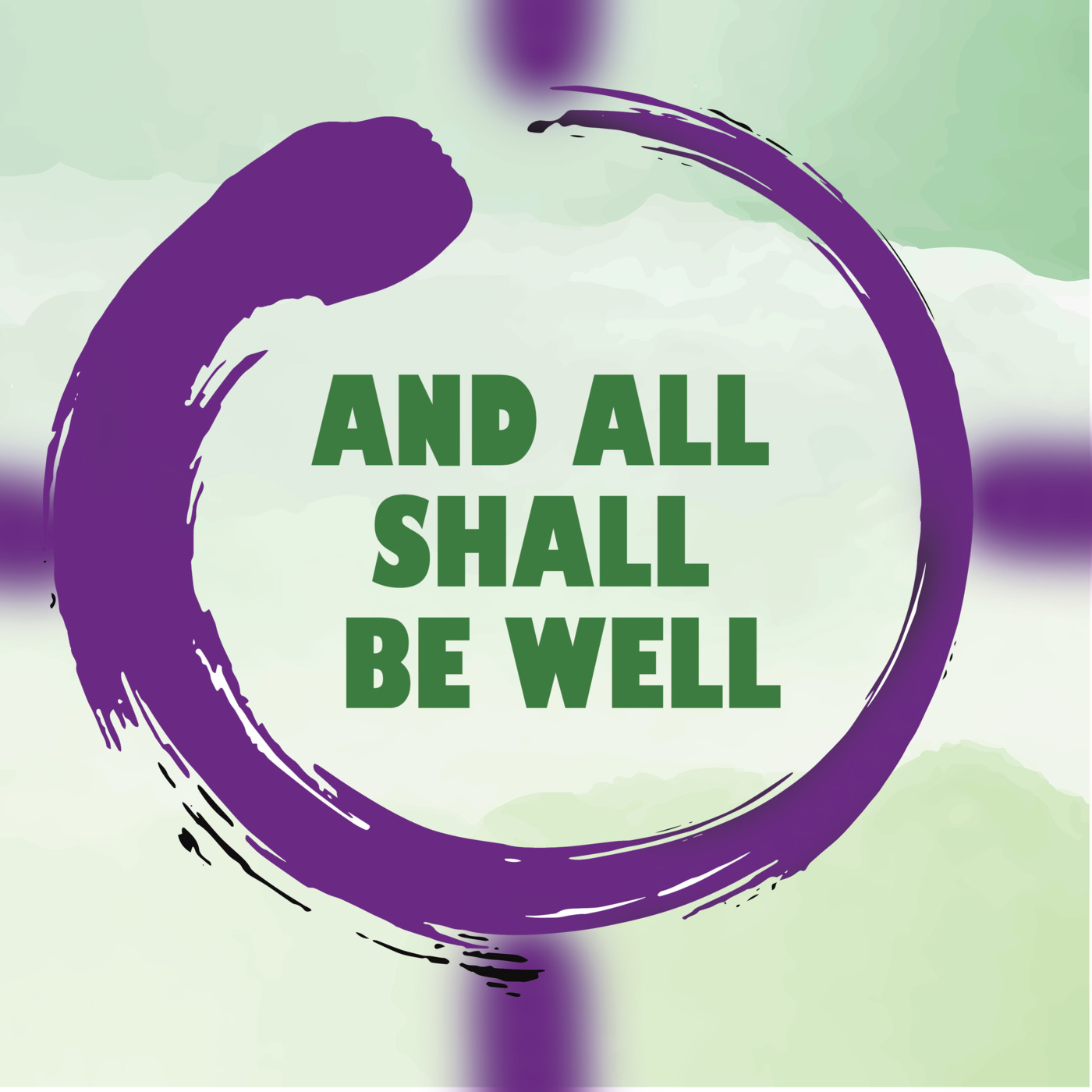
Megan is an award-winning filmmaker, musician, and historian. He was a finalist for the Lambda Literary Award in Transgender Nonfiction and received an honorable mention as an unsung hero of compassion by wisdom in action. He was with His Holiness the Dalai Lama and one of 95 individuals celebrated in Wittenberg, Germany during the 500th anniversary of the Reformation. His podcast, "And All Shall Be Well" is currently the number two mental health podcast on Podomatic. Thank you so much, Megan, for joining us today.
Megan Rohrer
Thank you for having me. It's great to be here.
Wakil
Really glad you're here. And we always like to begin with the question of when did you first become aware of death?
Megan Rohrer
Death, I think, was a thing sort of always known to me. When I was six. my parents got divorced and my father was an alcoholic. And at one point he tried to take us out of the world by ramming his car into our car several times. And so, my experience of death was sort of from a like knowing that dangerous things happen to people all of the time and that it's possible, but also was sort of wrapped in kind of mystical encounters of knowing that sort of the sacred was with me and rooting for me.
And I think the gift that that gave me as a young person to kind of experience danger in that way is that I got to live every other day after that in my life, kind of knowing that it was a better day than that, right? And so have had several encounters with death kind of after that, particularly when I was working as a chaplain for the San Francisco Police Department and providing care and support for the medical examiners. And so have had much deeper dives into like gruesome things that happen in the world and especially in terms of like mass casualty traumas and just giant tragedies that you can't make sense of. But I think it was very helpful for me personally to be centered in this idea that living and surviving can help you be resilient enough to kind of encounter those moments later in your life.
Annalouiza
Wow.
Wakil
Yeah, thank you. Maybe we'll hear some stories as we go along. Yeah, that sounds like quite a host of stories to tell. So glad you're here and thank you for that.
Annalouiza
Yeah. So Megan, that initial interface with death and the sequence of your life has brought you to this moment where death continues to probably like remind you that this is the best day ever since that moment, right? So tell me more about how death has impacted your current story.
Megan Rohrer
So I'm a transgender individual, which means that kind of throughout my life there have been moments, particularly because I grew up in South Dakota, where when people believed that my personal existence was not something within their faithful worldview that my existence shouldn't exist at all.
And so this really sort of ballooned in the early 2000s when Matthew Shepard was killed. There was sort of an influx of people feeling like it's okay to talk out loud about wanting GLBTQ people to be dead or to not exist.
And I think that sort of awakening to like what hate looks like, what, well, they called it, hate the sin, love the sinner, but there wasn't much on the love side of all of that because there wasn't much listening to what was going on for other people. It was sort of a timeframe for those who remember that like all the child raising handbooks kind of implied that you should be as hard and strict and impose suffering on your children in order to teach them hard lessons that that we now know are maybe disease -based rather than based on the hardness or softness of parenting.
And so I think these sort of encounters in my life have meant that yu know, there are moments when courts or the legal system will grant rights and you feel safer. But sometimes when you feel safer is when danger is closer. So the first time I was ever physically assaulted for being an LGBTQ person was in San Francisco in a place that was safe, right?
Annalouiza
Wow.
Wakil
Wow.
Megan Rohrer
Because when people know where you are safe, they can kind of go and make things difficult. And so I think I've kind of throughout my life known that if I was going to sort of succeed in the world or get ahead or be perceived as kind, that I would have to be as amplified superhero kind of kind as possible on the outside of my body in hopes of like being spared the fate that people think people deserve.
And so I lived through in my like, my high school transition to college years is like the height of when the AIDS epidemic is happening in the world. And so there really was a faithful, like leadership led conversation about how gay people they believed wrongly should die or should not be saved from death because they just didn't want to. This idea that people deserve a punishment of a certain type. And so, I think for the people I know who sort of like lived through the AIDS crisis, there is a way in which we developed sort of a sense of humor about death because there was so much death that you could cry your whole rest of your life and still not have grieved all of the death that occurred. And so I think this journey is, there's the ways in which my journey involved needing bulletproof vests or the time when I was consecrated as a bishop that I needed to get last rites from a Catholic priest, all but the last words, because of fear of what would happen during that worship service. So like, I feel like I've had this, this sort of regular chase of death or the threat of death that has been a part of my work life and sort of the PTSD of if you're successful, death will come kind of feeling. And...
Wakil Mm -mm.
Megan Rohrer
But on the other side of that, on the beautiful side of that, or what kind of the queer community calls the glitter and the rubble, is the companions that I have on that journey. Like, have have been able to spend time with the Sisters of Perpetual Indulgence and they in the midst of the AIDS crisis and all of faithful people saying things that didn't seem moral about people deserving to have their lives taken donned religious vows and habits and yes in an overt over the top much more sexual than the celibate nuns they were dressing up as way but with the intention of having social justice in the world and to help like have an opportunity for people who are in deep grief to laugh.
And sometimes that meant laughing about the ridiculous and amplifying it. And other times that meant just like having an outlet that is not the grief for a little bit. And so I think my life and career kind of going through that thread line of the LGBT experience is a part of my death tale. I'm contacted so much more often than I would like by people on social media who say I decided not to die today because you existed.
Annalouiza
Ahhhh
Wakil
Wow.
Megan Rohrer
And so I feel like there's my own sort of journey and dance with death. There is this way that death becomes a thing that people think I am worthy of for being myself. And then there's also the way that I feel like living publicly is a... is a gift for those who are considering whether or not they can continue to live another day in this world.
And so I feel like, like it's not talked about a lot, but there are a lot of trans folk, a lot of queer folk who are trying to live a bit extra fabulous on the outside of their bodies so that someone will have just the vague opportunity that they could have happiness in their life in the future.
And it's not fun to have to step into that situation, but it also feels like if we don't step into that situation, then people will be left with sort of the hopelessness that they have. And I have done more funerals as the faith leader for people who have taken their own lives than probably most of my peers kind of because of this. And oftentimes it's for complete strangers whose family get at the moment that their child or their loved one is dead, that they blew it.
Annalouiza
Yeah.
Wakil
Wow.
Megan Rohrer
And they pick a transgender faith leader because now they're going to start doing the work that that family member needed. And so I feel like death is sort of something you have to kind of be comfortable with the idea that it could be near at any moment. I mean, cause honestly, it's not like I'm in control of any of that, right?
Wakil
It is.
Annalouiza
Yeah, we're on that same team.
Megan Rohrer
And because it's that same, it's that current space of danger that particularly trans people are in right now.
Annalouiza
Wow.
Wakil
Yeah, yeah. Wow, thank you. Yeah, what a place to be. Thank you for being in that place and for the service you provide in that place. That leads nicely to the next question, which is what is your current role? And talk a little bit more about the work you're doing now.
Megan Rohrer
Yeah, so I work at Glide Memorial Church in San Francisco, and it is a space that since the 60s has been feeding people and like half a million people a day and providing domestic violence care and victim support and offender support for those who have perpetrated domestic violence and all kinds of sort of life -saving ways for people to take paths out of poverty. That's a lot of addiction recovery work of all angles. And so I would say, I could say with 100 % certainty today at Glide, someone is resurrecting someone from the dead. The number of Narcan,
Wakil
Mm.
Megan Rohrer
containers that we train people to use and hand out. There are people who just simply work at the front desk to help people safely get through a meal line. And some of those have revived people from the dead seven, eight times, just one individual.
And so I think there is a way in which addiction recovery support is maybe what we might think of as a, as a faith healing revival at this point, just by simply being around in someone's worst moment to give them an opportunity to have something happen the very next day.
Wakil
Right?
Megan Rohrer
And so I help with some of the communication side. So that's storytelling and allowing people to talk about what life and poverty is like right now and ways that we can solve that and hopefully end both the effects of poverty and addiction in this world. But it's also a lot of anti-racism work.
Wakil
Right. Yeah.
Annalouiza
Yeah, I've been to your church and I've seen the power of that storytelling and the bearing witness to. Wakil, I don't even know if you were there with me that time. And I'm going to share this because it changed my life. It was somebody came in who was having a really hard moment and was screaming during the worship time. And I think you have like security around...
Megan Rohrer
Safety Team, yeah.
Annalouiza
The safety team, the safety team, I could see them moving towards this person who was very distraught and the the music director stopped them and said, just give me a second. Stopped the whole thing. No, nobody was singing. And he started singing back what that person was screaming. And like I'm getting chills again because watching how that person could bear witness to that pain and mirror and say, I hear you, I see you, like changed my life. Like I honestly feel like seminary was just like, you know, here, but that moment helped me like understand what it actually means to bear witness to the pain. So I thank you for your work there because it is amazing. Like I've seen it.
Wakil
Yeah, yeah, I think I visited pretty much every time I get to San Francisco, I try to go to Glide just because it does, it's very, very inspiring work. So really appreciate it.
Annalouiza
Yeah. Yeah.
Megan Rohrer
Yeah. Yeah, it's gritty, it's people who have turmoil on the outside of their body and it's people who have turmoil on the inside of their body. It's people who have been kicked out of other spaces and have nowhere else to go.
Wakil
Right?
Annalouiza
Hmm.
Megan Rohrer
And there is a way in which the kind of amazing gospel music is able to stir things in people that sometimes, you know, if the words of a church service make you itchy, sometimes the music can revive you...
Annalouiza
Yeah.
Megan Rohrer
... and other times it's imagery or it's the people in the seats. And it really tries to walk that balance of being a safe space for all people, which of course bumps up into the edges of where mental health bumps out and where other things happen.
But I did 12 years of working as the executive director of a homeless nonprofit just up the street on Polk Street. And I thought what was really interesting is that currently our mental health communities believe that hearing the voice of God means that you have a mental health issue.
Annalouiza
Right,right.
Wakil
Right?
Megan Rohrer
But there are no faith leaders talking to the people who are having encounters with God. Now, is it a waste of time? Many people would say, yes, it is. But what if the voice of the divine is being channeled through a humble person? It's not, wouldn't be the first faith story on the planet where that happened, right?
Annalouiza
Right, right, right.
Megan Rohrer
And so I think there is this beauty that goes along with listening to the voices that are coming out. Cause many many scriptures tell us that it's through the hungry and the naked and those who need to be clothed that we're going to have these kinds of encounters and even if it's not if all we've wasted is a few minutes making someone feel like they're fully a human being and rather than you know abandoning entire classes of people entire races of people or whichever type of person our society deems is, is okay to throw away any given decade. And so I think there is something about fully claiming the life and the life of other people in that listening and that singing and in that being willing to be community together.
Annalouiza
Yeah.
Wakil
Sounds like a person that spoke 2 ,000 years ago or so. It sounds sort of reflective of that somehow. Yeah, he's like, I've heard about this.
Megan Rohrer
I think I read about something like that, yeah. Yeah.
Annalouiza
So I'm just curious of the folks who come through those doors who spend time with you, is there anybody ever talking about death and grief with them? Like bereavement support? Because even though they don't have, I mean, I don't actually know what folks have and have not, but everybody needs grief support. If some of the folks who are working there revive people like seven, eight times, like people are dying around them. And what is their hearts and minds and souls like doing like how's that played out?
Megan Rohrer
Well, so the church has been able to work on a project this last year. There's some evidence that only 30 to 40 % of people get palliative or end-of-life care that are in need of it. And so they've been working on trying to bring that kind of end-of-life support to those in the streets and those in the racial diversity that might not seek that from a doctor's space.
And so we trained 45 people this last year in end of life support and are partnering with UCSF's Mary Center and with the AC Care Alliance to be able to make it possible for people to have the trusting relationship they already have with the people who are feeding them and clothing them but then to start talking about some of those critical health issues that might lead to death or the ways that death has impacted people. And we found that a lot of the people who are interested in that sort of street level hospice care conversations are people who have had really deep death experiences in their own personal lives.
A lot of people lost loved ones during the time of COVID, but not to COVID. And so they didn't have those same traditional grief rituals that they were used to, right? Most of the stuff people were used to was stuff you had to do in community, or you had to share food, all stuff that was not allowed during that particular time.
And so people are trying to figure out, I think, new ways to find ritual or relief or release or just to name the grief that they're carrying that didn't have the same opportunities to do that during an epidemic that sort of sucked the life out of the room in many ways. And so we're starting to have some of those conversations and the Sisters of Perpetual Indulgence do a thing that is one of my favorite grief rituals. They make something called glitter ash.
And glitter ash is made out of anything someone is carrying with them that is the most amazing memory thing you've ever had or the worst. So if they have a public vigil and people bring flowers and signs and pictures and they leave them there, the Sisters of Perpetual Indulgence will collect them after the appropriate amount of time. They gather them in a box. If they have a loved one who died and there's some of their cremated remains, they always claim that they have also put illegal drugs in there. I don't know if it's true, but it's a good story, right? And then they get these really fancy glitters that are like ocean safe...
Annalouiza
Yeah, yeah.
Megan Rohrer
Like way more Bay Area bougie glitters than any child is using at school. And they have this like week -long time of prayer with a fire and they burn the things that are safe to burn or are able to be burned and then they mix them together while everyone in the community tells the stories of the items in there.
And so they tell, and they always use a little bit of the mix from last year. So they start with the tales from the very first time they did it. And they retell all these stories of woe and grief and joy. And they've got full face of makeup on, but they're tears streaming. And they're telling the stories of all these people that would otherwise be forgotten or disappeared, or who didn't have family, who yet were educated enough to love them.
Right? And so they're just carrying people. And here in San Francisco, that same community of sisters is doing more funerals, I think, in the bars for the generation that heard those things from faith leaders and didn't ever want to have their funeral in a church then.
Annalouiza
beautiful.
Megan Rohrer
So they're doing the rituals of helping people through these grief processes that normally would happen in a church space. And so I've got some deep friendships with some of these folk because they are so good at figuring out how to tell these stories that otherwise were lost. And I think that's maybe just what we need. We need common spaces where people can come and do the storytelling. Maybe they can mix a little bit of their grief with their neighbor's grief. And some of that can be normalized in a way...
Annalouiza
Right.
Megan Rohrer
That doesn't just make you not want to get out of bed but also has a little bit of glitter in it too and some fabulousness.
Annalouiza
Yeah.
Wakil
That's so beautiful. Wow.
Annalouiza
The collective scishun
Megan Rohrer
Right? Yeah.
Wakil
Yay, that's beautiful. Thank you.
Annalouiza
Yeah, that is beautiful. So my question to you, after all the work that you are embedded into this community, what is it that you feel is the biggest challenge?
Megan Rohrer
I mean I think for many people, the challenge is to remember that all problems have solutions for the most part. I mean, and unfortunately, sometimes death is a solution to an illness. It ends, though, right? It's not always the solution we're interested in, but things do tend to carry out their course and resolve.
And so what that means is sometimes people forget there's a solution to homelessness, which is houses. And sometimes people forget that there is a solution to addiction, which is addiction recovery support. Does that mean people are going to be sober every single day? Not always, right? But there is an addiction to many of the things that we see causing like unimaginable amounts of death right now. There are solutions to poverty.
And I, as I'm a person who, traditionally doesn't get sucked down the well of kind of anxiety and loss and grief. It's just part of the resilience that I have sort of built for myself. And so I'm someone who's always kind of got a strand of hope to share with other people. And yet I think the hardest part for me is the toll of wondering like, well, but why isn't anyone else trying to solve this?
Wakil
Right.
Megan Rohrer
I come from a faith tradition where points don't matter. You don't get in trouble if you do bad things, but you also don't get points if you do good things. And what that means is, is like, my perspective on the world is not when I see someone walking past someone in obvious need is to just be like, you're going to get it in the end. Like this, whatever happens next sort of level of justice, but to just kind of have this true sadness and perplexity of why it's possible for so many people to allow people to, to live in such deep poverty without caring or trying or doing the hard work.
Wakil
Yeah.
Megan Rohrer
At one point, I helped a community transform in a lot where a church had burned down in a fire into a community garden space that gave away over four tons of produce, just free to any of the neighbors, because I was so pissed off that it felt like so many people were willing to go into fancy faith community spaces, but not willing to like do the work that those faith communities thought was the stuff that needed to happen in the world. And so I just really wanted to show that the difference between us feeding all these people is getting a shovel and digging in, literally digging, right?
Annalouiza
Yeah.
Megan Rohrer
And so I have inside of me sort of this sadness that people would rather argue about what color the carpet should be in a faith community than feed folk or love folk or try to be compassionate to the neighbor or get their own heart right to kind of be present in the world. And obviously that's not everybody, but it's enough people that it physically hurts, I would say.
And so I think there is sort of this idea, like, cause every job you kind of wait and see who are the people who are going to stick it out and who are the people who are just sort of like the idea of that job.
And I think at Glide, you can sort of tell who's going to work there a little while based on how much walking to work deflates them. Like if you're not able to do your work that day because just the literal people you had to step over to get to work made it too hard for you, you're probably not going to make it for a long time. And I don't mean that in a terrible way. Like we should all have that same compassion, but there is a way in which there are the people who kind of stick it out and keep trying in the midst of things that feel hopeless and those who would rather go watch something weird on Netflix or sort of pretend the world doesn't exist if there's a cute cat video somewhere nearby. And I've never been that kind of person, so.
Annalouiza
Ha ha.
Wakil
Yeah, yeah. So what kind of things help you feel supported in your work?
Megan Rohrer
I thankfully have been doing this long enough. I know I'm a lot younger than I look. That's part of the way that people kind of see trans people. But I have been doing this work long enough, thankfully, that when you sort of like walk with people for a really long time, maybe like 15 years later, someone will like come back and be like, thank you so much. It mattered so much.
And I feel like I've been doing this for so long now that that layers back. And so when I have a hard week or something, or I'm like, why am I even trying? This is impossible. I can't make movement here. Then someone circles back and they're like, you know, you entirely changed my life just by listening to my story.
Annalouiza
Mm -hmm. Hmm.
Megan Rohrer (29:24.8)
And in retrospect, when I think back, I'm like, I didn't really do that much, but it mattered so much. And so just trying to hold on to some of those moments to like remember that. some of the things that I did sucked and try not to think about those as often, but some of the things that I did like really matter. And it's part of why I gave you such a fancy bio is I'm trying to like not undersell myself. Like to be reminded that you did a thing and it mattered for me personally helps me when it feels like if we feed three meals today, people are still going to be hungry tomorrow. And some days that can feel like it's like you're not making progress or it's overwhelming.
The other thing that I do is I have tangible projects like in my house, God bless my family for this, but like I needed a thing with a tangible end and completion. So I like repaved my backyard.
Annalouiza
Ha ha.
Megan Rohrer
It's not everybody's go to like right now we're putting up wanescotting. Why? Because when it's done, you will be able to see that you did a thing and that it is better,
Annalouiza
I like that. Yeah.
Megan Rohrer
You know, as we get better at it, right? But you just got to have something with tangible completions. If most of your life is things that are ever-evolving.
Annalouiza
Never going to get done, right? Yeah, that's actually really interesting. I like that.
Wakil
Yeah, yeah.
It's a great choice of support for yourself. It's great discernment on your part.
Megan Rohrer
Yeah, I do a lot of pothole fixing in the tenderloin in the blocks kind of around where I work. And I found this when I was in Uruguay not too long ago, that when there are like cracks in the sidewalk, they just fill them with beautiful tile mosaics, even though the rest is like cobblestones. And so I have a friend and we go out and if you put on an orange vest, you can get away with a lot of things.
Annalouiza
Ha Ha Ha
Megan Rohrer
So we put on an orange vest and it's a giant, giant crack in the cobblestone and we'll just fill it with different tile mosaics. We have like pre-made little tiles we've cut to look like flowers. And so we just put these flower tiles all over the tenderland, because there's so much concrete, no one gets, everyone of every class should deserve to get to see beauty, right?
Annalouiza
Yeah.
Annalouiza
Yes.
Wakil
Wow.
Megan Rohrer
And so we just, and they don't last forever because you know, all of the things in city life that that break apart the mosaics. But it's nice to have this little secret joy of something you've made better and you just go through the street, right?
Wakil
Ha ha.
Annalouiza
That is beautiful.
Wakil
Yeah, I love that. That reminds me. My little secret one is throwing what they call them seed balls into big huge areas of grass...
Megan Rohrer
Yes.
Wakil
And trying to turn them into something beautiful. So yeah, I love that. That's such a great, a mission, right?
Annalouiza
Yeah.
Yeah. Well, and I don't know what I do. I'm sure I do something, but I love this man who I see him. He's jogging down around the park. And one day I caught him and he just started pruning a tree. And I was like, excuse me, sir, but why are you doing that? He's like, yeah, it needs to be pruned. So I just like run with my pruners like pruning trees. I was like, that is so beautiful.
Megan Rohrer
Yes!
I've done that too. That's an easy thing to do with an orange vest. I would, I was working on a garden in the front yard. I worked at a church where they couldn't afford to water the lawn and it was gross and the neighbors hated it and it was like a small church that was hard to keep alive.
And I was like, well, I can keep the yard alive, right? And so I went around and we have all of these sort of parklet gardens in the middle of roads here that are succulents. So they're easily transplanted, but they all, they grow into the street and they're not really maintained and none of the neighbors want to do it. So I would go with a big couple of buckets and pruners and cut all of the plants.
And then the neighbors would be like, oh thank you for doing this. Like, which house do you live in? I'm like, yeah, right over there. And, and so I would carry away the buckets of plant. And then the entire front yard of the church became this giant succulent garden,
Wakil
Hahaha.
Annalouiza
Wakil
Ooh.
Wakil
Ha ha ha.
Megan Rohrer
Which was perfect for when the church ended up selling its property and it became a Buddhist space for meditation, right? Cause they were much more successful with all of the weeds that would grow around all of, the jungle of succulents.
Annalouiza
Yes. Yeah.
Wakil
Yeah.
Megan Rohrer
And those plants still now are in my backyard because we just kept pruning them as we planted them different places. And so I just love this idea of rogue helping and not really telling anyone. You can live your whole life being pissed off about things, or you can take half the time and fix it.
Wakil
Yeah, yeah. Or my wife who carries around one of those grabbers and picks up all the garbage everywhere she goes, right?
Megan Rohrer
Yes!
Annalouiza
Yeah. Well, actually I have another story for you on the flip side of that. I was up in central city yesterday and here in Colorado and I found that old graveyard and there's like people who have been buried like since 1847, but they've got like flowers and toys and quarters on there. So people are going there and like spending time with these dead. I'm like, how sweet are you? Like you're showing up or you know, somebody whose family probably does not live here anymore. It was kind of cute.
Megan Rohrer
Yeah. Yeah, there's whole, there's whole popular like TikTok channels of people just cleaning old gravestones and like all the tools you need to do it. And they just, and then they like look up the story of the person and yeah.
Annalouiza
So cute. Love it. Yeah. So Megan, what makes you afraid about the end of your life? Do you ever think about that?
Megan Rohrer
I think I don't have much personal fear about the end of my life, about how it will be or any of that stuff. My fears are more like kid related, like will my kids be watching? What will, right?
Annalouiza
Yeah.
Megan Rohrer
I think I have grown to be very comfortable with the fact that death happens all of the time. Working with first responders for three years, I think we'll do that for you.
But most of my fears, I think, are kid -related. Will they be taken care of? And I think they're at least kind of closer to their teen years, that it's clear that they can feed themselves...
Annalouiza
Ha ha ha!
Yeah.
Megan Rohrer
And things they will be able to live into the future. So that's a little bit less of a worry. But I think most of my fears are centered around if they were watching.
Honestly, for a long time while I was, particularly while I was working with the homeless, because they get very protective of people who are kind to them, my fear was that someone would harm me and then the retaliation from someone I cared about would be so much worse and that they would then get in trouble in some sort of way.
Annalouiza
Yeah, yeah.
Wakil
Hmm.
Megan Rohrer
I've always been a pacifist, so this idea of protecting someone or someone trying to do retaliation always seemed a little bit worse then what would actually kind of happen in that space.
Annalouiza
Yeah, interesting.
Wakil
You have so many great stories. I think we could probably have a much longer podcast. But is there anything that you wish we had asked you? Anymore? I know you have a lot of stories and you could share whatever you'd like. And we sometimes ask about how you resource yourself. That's also a very good question that we'd love to learn more about. But since we've kind of gotten close to the end of our time, I just like to throw that out there and let you kind of take us through what else you'd like to tell us.
Megan Rohrer
Well, maybe I'll just tell you kind of a general thought about what it's like kind of being a chaplain for the police department, particularly providing care with the medical examiners and doing that during COVID.
At one point, I brought Good Friday ashes to the people who were doing the COVID command center like during the midst of the heart of the time where they didn't know if going to work meant they were going to like literally die that day. And I actually brought them some Sister of Perpetual Indulgence glitter ash and put it on their heads to remind them both to be unafraid and to let go of some of the guilt they have for surviving...
Wakil
wow.
Megan Rohrer
...in the midst of the hard that they carry and having been with first responders while they're telling someone that they have lost a loved one or multiple loved ones in a big disaster, I think the thing that I would love to say is that most of our first responders don't have grief training.
Wakil
Right?
Megan Rohrer
So here in San Francisco, if someone dies, we have a medical examiner. So the medical examiner would need to come and do an investigation, but a first responder needs to stay with that body until the medical examiner comes. So if that takes eight hours, if that takes a day and a half, a first responder is sitting with a family in grief, sitting with other victims, and they haven't had any initial training in what to do with that.
And they are someone who probably has encountered death in their own lives,
Wakil Right.
Megan Rohrer
... is worried almost every day that they put their uniform on that their death might be imminent.
And so I just wanna give a shout out for those who are comfortable talking about death, assuming they're the ones who listen all the way to the end of this podcast, right? Is, you know, if there is a first responder,or anytime you notice a first responder, even if you're going to a baseball game and they're letting you through the security line and they're just standing there in case that thing happens, just say, how you doing? Right?
They're not gonna tell you the truth the first 400 times you ask that question because they are carrying stuff so hard and they're not, they're just by training not allowed to show emotion on the outside of their face because someone's worst day might be someone else's best day and you don't want to look like you're picking a side. But first responders are carrying so much of the most difficult moral questions of our world. Military folk are also in this batch. Emergency responders are in this batch.
And the grief support that they're kind of getting is there's another call, let's go, right? And they do get to do debriefs after extra difficult stuff. Usually it's about stuff that happens to kids or if someone gets injured. And so just if you have it in your heart in any way to talk about death with people who are encountering it more than once a day, I really want to encourage people to just add checking in with folk as a part of what they're doing in the world. Not because it's an extra unpaid job you need in the world, but because it's a lot for any one group to carry.
Wakil
Yes.
Megan Rohrer
And there's actual scientific research that when people of faith or other people are regularly connecting to our first responders, that they make decisions that are kinder, more compassionate, and involve less death in their own personal choices. And so, you know, if you've got it in you, check in with some first responders these days.
Wakil
Mm -hmm. I love that.
Annalouiza
Yeah, I do too. That's a great reminder.
Mm-hmm.
Wakil
Wow. What an important reminder. I know a prayer that I've said for a long time, I taught my children and others is when I hear the sirens to pray for those that are going to help and for those who are bringing the help. Just kind of keep that awareness. So you can do that even just as you hear the sounds. But I love the intention setting to try to really purposefully show up and be there for those folks. That's a great, great reminder. Thank you.
Wonderful, Megan. I really appreciate that.
Well, what else? Anything else?
Annalouiza
Well, we should share Megan's quote.
Wakil
Right, you have a quote for us. Do you want to read that to us?
Megan Rohrer
Sure, it's just one of my sort of personal models, which is to love boldly and forgive more boldly still. And I think it particularly applies to folk who are thinking and talking about death, or people who are getting near to death, is that idea that all the rest, you could worry about your whole life. Just focus on the loving and and the things that are possible to forgive or to let go of or unloose yourself from and things will be good. So love boldly y 'all.
Annalouiza
Love boldly!
Wakil
Right? Love boldly, forgive more boldly still. Beautiful, beautiful. Thank you. I love that. Well, I appreciate you very much, Megan. And I'm looking forward to more conversations and thank you so much for sharing with us on this particular conversation.
Annalouiza
Yes, thank you.
Wakil
It's so important. And you brought a lot of excellent love and boldness and you live your life that way. And I appreciate that.
Megan Rohrer
Thanks so much.
Annalouiza
Thank you.